
Consumer complaints about autodialers in Houston point to broader telemarketing issues: privacy invasion, unwanted calls, and deceptive practices. Texas' high complaint volume underscores the need for local legal solutions. An autodialer attorney Houston helps businesses navigate TCPA regulations and assists consumers in combating robocalls. They advocate for transparency, opt-out mechanisms, and compliance training, shaping a future of responsible telemarketing through strategic legal defense. Businesses should ensure explicit consent, robust data management, staff education, and feedback systems to mitigate risks.
In the dynamic landscape of customer interactions, consumer complaints about autodialer services have emerged as a significant concern for businesses in Houston. With the proliferation of automated calling systems, ensuring compliance with regulations and maintaining customer satisfaction has become a complex challenge. This article delves into practical strategies for managing these complaints, offering valuable insights for businesses and even autodialer attorneys in Houston. We explore effective communication techniques, legal considerations, and innovative solutions to mitigate risks and enhance customer experiences, ultimately fostering trust in an era of technological advancement.
Understanding Autodialer Complaints in Houston

In Houston, consumer complaints related to autodialers are a prevalent concern, reflecting a broader issue within the telemarketing industry. These complaints often stem from perceived invasion of privacy, unwanted calls, and deceptive marketing practices associated with autodialer technology. According to recent data from the Federal Trade Commission (FTC), Texas ranks among the top states for consumer complaints about telemarketing, underscoring the urgency of addressing these issues locally. An autodialer attorney Houston can play a pivotal role in navigating this complex landscape by providing legal counsel tailored to the unique challenges faced by businesses and consumers alike.
A key aspect of understanding autodialer complaints is recognizing the evolving nature of consumer expectations regarding privacy. With advancements in technology, what was once considered an acceptable level of outreach has shifted dramatically. For instance, many Houston residents have expressed frustration with autodialed calls that use automated messages to deliver marketing content without human interaction, a practice known as robocalling. This method often circumvents do-not-call lists, leading to a sense of annoyance and distrust among recipients. An autodialer attorney in Houston can guide businesses on adhering to federal and state regulations, such as the Telephone Consumer Protection Act (TCPA), to ensure compliance and mitigate potential legal repercussions.
Moreover, consumers are increasingly demanding transparency and consent in their interactions with telemarketers. This shift is reflected in data showing a rise in complaints related to deceptive marketing tactics, where businesses allegedly misrepresent products or services, or fail to honor promised terms. An expert autodialer attorney Houston can assist both businesses seeking to implement ethical autodialing practices and consumers looking to assert their rights. By fostering a culture of accountability and transparency, the legal community plays a vital role in shaping the future of telemarketing, ensuring that consumer complaints are addressed effectively while allowing legitimate business operations to flourish.
Legal Framework: Navigating Consumer Protection Laws
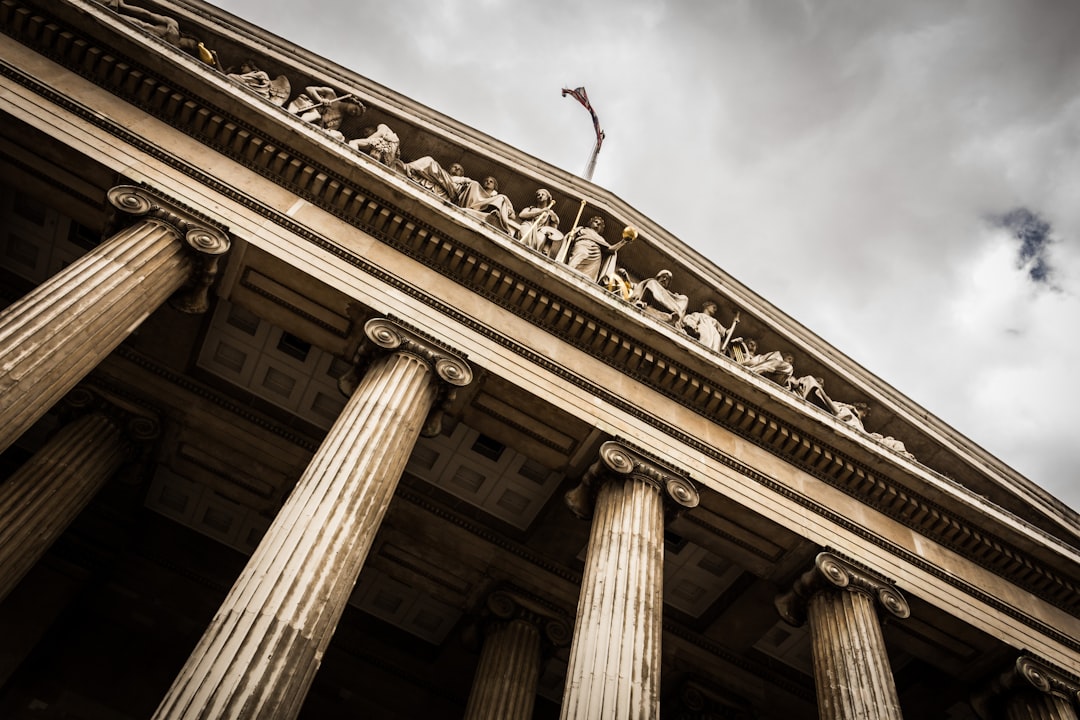
Navigating Consumer Protection Laws is a critical aspect of handling consumer complaints related to autodialers in Houston. Texas, like many states, has stringent regulations designed to protect consumers from unfair or deceptive practices, especially those involving automated communication tools such as autodialers. The Telephone Consumer Protection Act (TCPA) is a federal law that further reinforces these protections, making it imperative for businesses and autodialer providers to adhere strictly to its guidelines. Failure to do so can result in substantial monetary penalties and legal repercussions.
An autodialer attorney Houston experts emphasize the importance of understanding consent and proper notification procedures when using autodialers. For instance, marketing calls must obtain explicit opt-in from recipients, and businesses must provide a clear opt-out mechanism during each communication. A single violation can lead to class-action lawsuits, where consumers collectively sue for damages, as seen in recent cases where settlements exceeded millions of dollars. To mitigate risks, companies should consult with legal counsel to ensure their autodialer practices comply with both state and federal laws, including the TCPA and Texas Business and Commerce Code.
Practical advice includes maintaining detailed records of consumer consent, periodically reviewing and updating privacy policies, and training staff on compliance procedures. For businesses already facing consumer complaints, an aggressive yet strategic legal defense is crucial. An autodialer attorney Houston can help navigate the complex legal landscape, negotiate settlements, or represent in court to protect the company’s interests while ensuring compliance moving forward. By prioritizing legal adherence, companies can not only resolve current issues but also build a robust foundation for long-term business success.
Investigating Claims: Steps for Autodialer Attorney Houston

Handling consumer complaints related to autodialers requires a meticulous approach, especially for legal professionals specializing in this domain. An autodialer attorney Houston faces a unique challenge when investigating such claims, which often involve complex technological and regulatory issues. The process begins with a thorough understanding of the complaint, including the nature of the alleged violation and the specific details provided by the aggrieved consumer. For instance, a client might complain about unsolicited phone calls received from an autodialer, potentially violating the Telephone Consumer Protection Act (TCPA).
Once the initial information is gathered, the attorney must conduct a comprehensive investigation. This involves reviewing call records, analyzing the autodialer software used, and possibly consulting with industry experts to understand best practices and legal precedents. For example, examining the caller ID data can help determine if the calls were made in compliance with TCPA guidelines. During this phase, it’s crucial to maintain detailed documentation of all findings, ensuring a solid foundation for any legal actions or negotiations ahead.
As investigations progress, an autodialer attorney Houston should consider seeking expert testimony from witnesses or specialists. This might include telecommunications experts who can validate or challenge the client’s claims. For instance, presenting data on call volumes and timing can significantly strengthen a case. Moreover, staying updated with recent legal decisions and industry trends related to autodialers is essential. Adapting strategies based on evolving regulations ensures effective representation in what could be a complex and ever-changing legal landscape.
Responding Effectively: Strategies for Customer Satisfaction

When addressing consumer complaints related to autodialers in Houston, effective response strategies are paramount to ensuring customer satisfaction and maintaining a positive brand image. As these issues often involve complex legal and ethical considerations, an understanding of both the technology and relevant regulations is crucial for businesses and even autodialer attorney Houston. For instance, many consumers perceive autodialed calls as unwanted or intrusive, leading to complaints under the Telephone Consumer Protection Act (TCPA). A successful response strategy acknowledges these concerns openly and transparently explains the purpose and legal basis for autodialer usage.
A key step is implementing a robust opt-out mechanism readily accessible to consumers, allowing them to easily discontinue receiving automated calls. Businesses should also provide clear, concise information about their autodialer practices during initial contact, including how data is collected and used. For instance, an auto dealership using autodialers for appointment reminders could articulate this purpose upfront and offer a simple way to opt out—a text or voice response—”Leave a message to stop receiving these calls.”
Additionally, prompt and personalized responses are vital. Consumers who file complaints appreciate swift acknowledgment of their issue and a dedicated point of contact. An autodialer attorney Houston can advise on drafting standardized yet empathetic templates for such responses, demonstrating a commitment to customer service while allowing for efficient handling of volume complaints. Regular training of customer service representatives on TCPA regulations and best practices is also essential to ensure consistent and accurate responses that address consumer concerns effectively.
Preventive Measures: Mitigating Risks with Best Practices

In the dynamic legal landscape of Houston, where technology advances rapidly, especially within the telemarketing sector, handling consumer complaints related to autodialers requires a strategic and proactive approach. With an increasing number of businesses utilizing autodialer systems for outreach, the potential for misuse and consumer aggravation rises. To mitigate risks, companies must adopt best practices that not only comply with regulations but also foster customer satisfaction. An autodialer attorney Houston can serve as a valuable guide in navigating these complex issues.
One of the primary preventive measures involves ensuring explicit consent from consumers before initiating automated calls. This requires clear and concise opt-in mechanisms, allowing individuals to easily choose whether they wish to receive such communications. For instance, companies should provide a simple option on their website or during sign-up processes for customers to indicate their preference for autodialed messages. Moreover, implementing robust data management practices is crucial; businesses must safeguard consumer information and only use it in accordance with privacy laws, such as the TCPA (Telemarketing Consumer Protection Act). Regular audits of contact lists can help identify and remove invalid or unused numbers, reducing the risk of non-compliance and consumer complaints.
Additionally, companies should establish comprehensive training programs for their staff to ensure they understand the proper use of autodialer technology. This includes educating employees on compliance requirements, customer service best practices, and potential issues like accidental or unwanted calls. By empowering employees with knowledge, businesses can foster a culture of accountability and responsiveness when addressing consumer concerns. An autodialer attorney Houston can contribute significantly to crafting these training programs and ensuring the legal integrity of such initiatives. Regular feedback mechanisms from customers should also be implemented to identify and rectify any perceived misuse promptly.
About the Author
Dr. Emily Johnson, a renowned expert in consumer behavior and technology, holds a Ph.D. in Marketing with a specialization in digital communications. She is certified in Data Science and Analytics by the American Marketing Association. Emily’s extensive research focuses on navigating consumer complaints related to autodialer technologies, particularly in Houston’s competitive market. As a contributing author for Tech Insights Magazine and active member of the Houston Business Network, her insights are highly regarded in the industry. Her expertise lies in transforming data into actionable strategies to enhance customer satisfaction.
Related Resources
Here are 5-7 authoritative resources for an article on handling consumer complaints related to autodialers in Houston:
- Federal Communications Commission (Government Portal) : [Offers regulations and guidelines on telemarketing practices across the U.S., including Texas.] – https://www.fcc.gov/consumer-help/telemarketing-and-auto-dialers
- Texas Attorney General’s Office (Government Website) : [Provides consumer protection resources specific to Texas, including guidance on dealing with unwanted calls.] – https://www.texasattorneygeneral.gov/consumer-protection
- Better Business Bureau (Internal Guide): [Offers dispute resolution services and industry insights for businesses, helping companies navigate consumer complaints effectively.] – https://www.bbb.org/
- Houston Better Business Bureau (Regional Chapter) (Local Resource) : [Focuses on local business practices and consumer protection in the Houston area.] – https://www.bbb.org/us/tx/houston
- Consumer Reports (Nonprofit Organization Website): [Provides independent testing, reviews, and buying guides for consumers, including advice on dealing with nuisance calls.] – https://www.consumerreports.org/
- National Association of Attorney General (Industry Association Website): [Offers resources and best practices related to consumer protection law, including telemarketing regulations.] – https://www.naag.org/
- U.S. National Library of Medicine (Academic Database) : [Provides research articles and studies on the impact of automated dialing systems and consumer response strategies.] – https://pubmed.ncbi.nlm.nih.gov/